

Is Florida a stop-and-ID state? The answer depends on the type of police encounter. People often assume officers can require identification at any time, but Florida law ties those obligations to whether the officer has legal grounds to detain you. The difference between a voluntary interaction and a lawful detention determines what you must say or provide.
Understanding these distinctions matters. Misunderstanding your rights during a police encounter can lead to unnecessary charges or complications. A Tampa criminal defense attorney at Buda Law can review the facts of your situation, explain how Florida law applies, and help you understand whether Florida law enforcement officers acted within legal limits.
What are Stop and ID States?
Stop-and-ID states are jurisdictions where a person lawfully detained by police may be required to provide identifying information. In most of these states, the requirement applies only after an officer has reasonable suspicion or probable cause to believe a crime has occurred, is occurring, or is about to occur.
In general, a person who is lawfully stopped must state their name when asked. However, stop-and-ID laws do not always require someone to carry or present a physical driver’s license or other identification, unless they are operating a vehicle or another specific law applies. Separate rules may apply in limited circumstances involving valid immigration documents, but those situations depend on federal and state authority.

Is the State of Florida a Stop and ID State?
Under Florida law, officers may temporarily detain someone only when they have reasonable suspicion that a crime has occurred, is occurring, or is about to occur. During that lawful detention, an officer may request identifying information. A person who is properly detained must provide their name, but Florida does not have a broad statute that requires individuals to carry or automatically produce physical identification in most situations.
Is Florida a Stop and Frisk State?
Yes. Under Florida law, law enforcement officers can conduct what is commonly called a “stop and frisk” when certain conditions are met. The Florida Stop and Frisk Law, found in Florida Statutes § 901.151, allows an officer to temporarily detain someone if the officer has reasonable suspicion that the person has committed, is committing, or is about to commit a crime.
A “Terry stop” is the term used for this type of encounter, based on the United States Supreme Court decision in Terry v. Ohio. It permits a brief detention and limited questioning when a police officer can point to specific and articulable facts suggesting criminal activity. Reasonable suspicion requires more than just a hunch; it must be based on objective observations.
During a lawful stop, an officer may perform a pat-down for weapons (a limited search of the outer clothing) ONLY if they reasonably believe the person is armed and dangerous. This frisk is intended to protect officer safety and does not allow a full search of a person’s belongings or body without additional legal justification, such as consent, probable cause, or a warrant.
Florida Stop and Frisk Law
Florida’s Stop and Frisk Law (§ 901.151) specifically states:
(2) Whenever any law enforcement officer of this state encounters any person under circumstances which reasonably indicate that such person has committed, is committing, or is about to commit a violation of the criminal laws of this state or the criminal ordinances of any municipality or county, the officer may temporarily detain such person for the purpose of ascertaining the identity of the person temporarily detained and the circumstances surrounding the person’s presence abroad which led the officer to believe that the person had committed, was committing, or was about to commit a criminal offense.
(3) No person shall be temporarily detained under the provisions of subsection (2) longer than is reasonably necessary to effect the purposes of that subsection. Such temporary detention shall not extend beyond the place where it was first effected or the immediate vicinity thereof.
(4) If at any time after the onset of the temporary detention authorized by subsection (2), probable cause for arrest of person shall appear, the person shall be arrested. If, after an inquiry into the circumstances which prompted the temporary detention, no probable cause for the arrest of the person shall appear, the person shall be released.
(5) Whenever any law enforcement officer authorized to detain temporarily any person under the provisions of subsection (2) has probable cause to believe that any person whom the officer has temporarily detained, or is about to detain temporarily, is armed with a dangerous weapon and therefore offers a threat to the safety of the officer or any other person, the officer may search such person so temporarily detained only to the extent necessary to disclose, and for the purpose of disclosing, the presence of such weapon. If such a search discloses such a weapon or any evidence of a criminal offense it may be seized.
(6) No evidence seized by a law enforcement officer in any search under this section shall be admissible against any person in any court of this state or political subdivision thereof unless the search which disclosed its existence was authorized by and conducted in compliance with the provisions of subsections (2)-(5)
Is Florida a Stop and ID State While Walking?
When you are walking in Florida, police may approach you and start a conversation without any suspicion of wrongdoing. These voluntary encounters do not require you to answer questions or provide identification, and you are generally free to leave.
The legal obligation to identify yourself arises only if an officer has reasonable suspicion to detain you under Florida’s stop-and-frisk law. During a lawful detention, you may be required to state your name. However, Florida does not broadly require pedestrians to carry or produce physical identification in most situations.
Does a Passenger Have to Show ID in Florida?
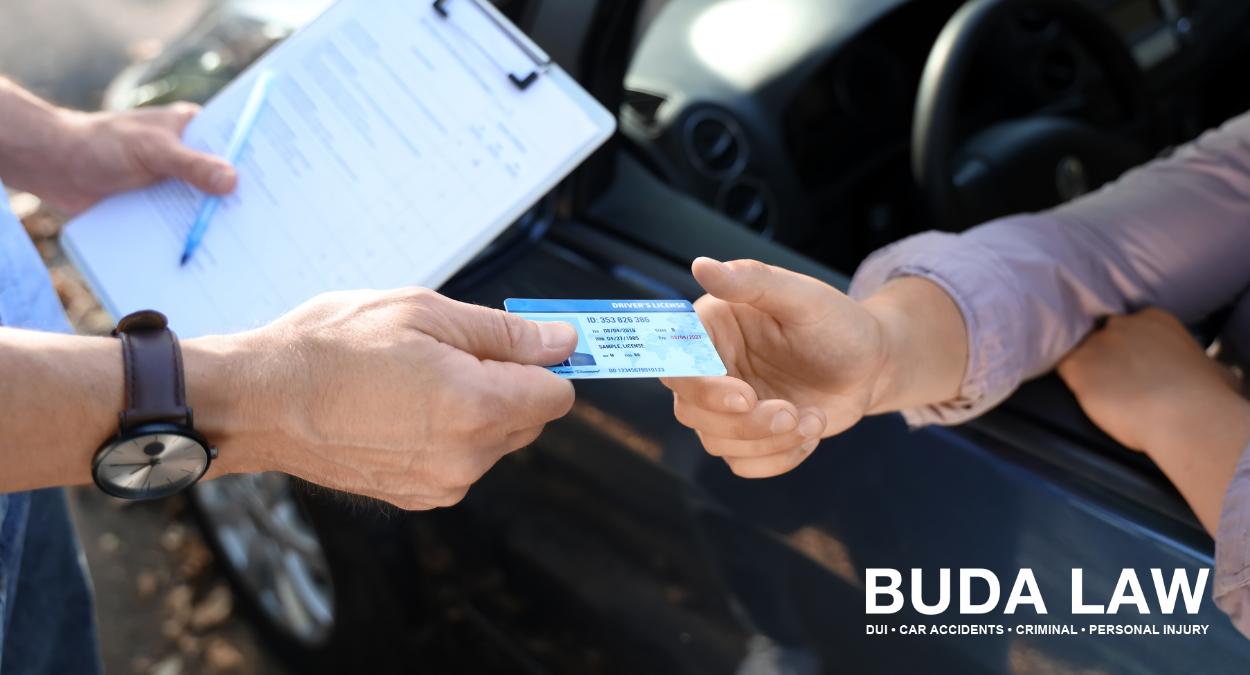
In Florida, a passenger in a vehicle is not automatically required to show identification during a traffic stop. The driver must provide a valid driver’s license, registration, and proof of insurance, but passengers do not have the same general obligation.
An officer may ask a passenger for identification, but the passenger is typically not required to provide it unless the officer has reasonable suspicion that the passenger committed, is committing, or is about to commit a crime.
When Can Police Ask for ID in Florida?
In Florida, law enforcement officers may ask anyone for identification during a voluntary and consensual encounter. However, there is an important difference between a request and a legal requirement to identify oneself. A police officer can approach you in public and ask questions without any suspicion of wrongdoing, but you are generally not required to answer or provide ID if you are free to leave.
A legal obligation to identify yourself arises only during a lawful detention. For a detention to be valid, the officer must have reasonable suspicion that you have previously committed or are in the process of committing a criminal offense. One clear exception involves traffic stops. If you are driving, you must provide a valid driver’s license, along with vehicle registration and proof of insurance.
Do You Have to Provide ID to Police in Florida?
In Florida, whether you must provide ID depends on the type of encounter and the legal basis for the officer’s request.
- Lawful Detention: Based on what a police officer observes or other specific facts, you may be detained if there is suspicion of criminal activity. During that detention, you can be required to state your name. However, Florida generally does not require you to carry or physically produce ID in most non-driving situations.
- Traffic Stops: If you are driving and a police officer has reasonable suspicion of a crime or traffic violation, you must provide a valid driver’s license, proof of insurance, and vehicle registration. A passenger does not automatically have to provide ID unless the officer has independent grounds tied to suspicious behavior or other lawful justification.
- Investigative Encounters: If the interaction is voluntary, an officer may request identification, but you are usually free to decline if you are not being detained.
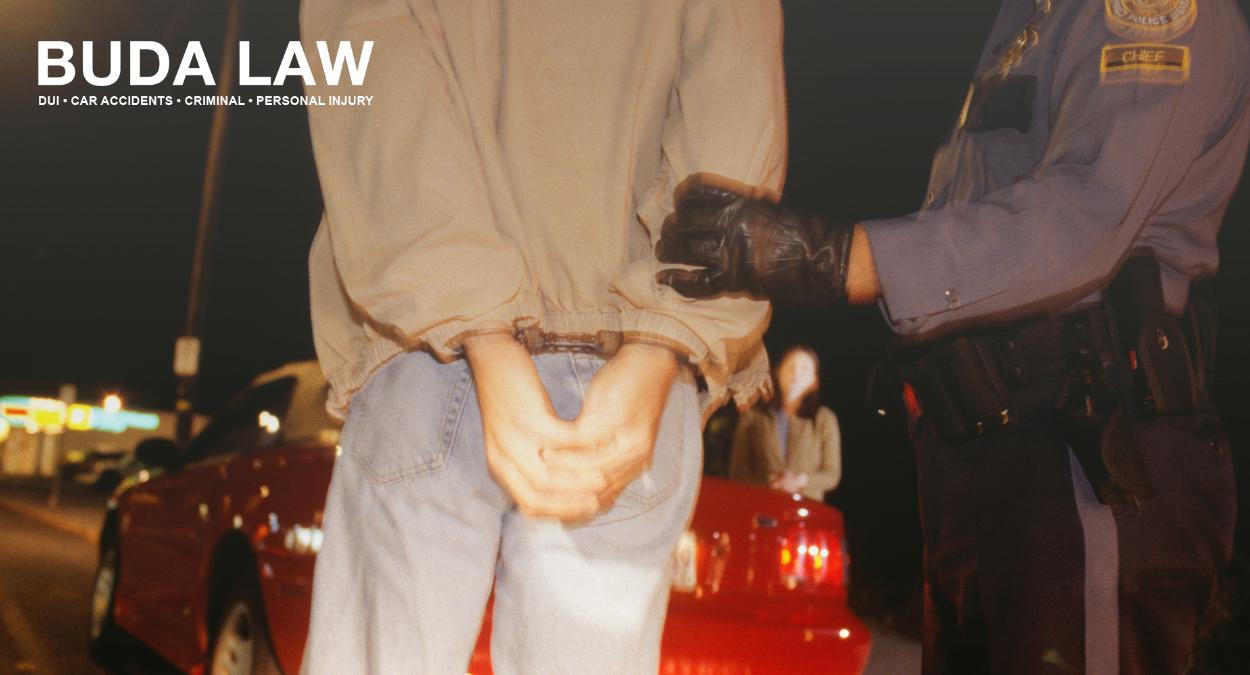
- Arrests: After an arrest, officers may require identifying information as part of booking, and additional steps such as a vehicle search may follow depending on the circumstances.
In such cases, the key issue is whether the officer had legal authority to detain you, not merely whether ID was requested.
Can You Refuse to Show ID to Police in Florida?
If you are involved in a voluntary interaction and are not being lawfully detained, you may refuse to provide ID. In that setting, declining to answer questions or identify yourself is generally lawful. A simple request from an officer does not automatically create a legal duty to comply.
However, if an officer has reasonable suspicion that you committed, are committing, or are about to commit a criminal offense, you may be lawfully detained. During that detention, you can be required to state your name. Refusing to identify yourself at that point may increase the officer’s suspicions and could lead to further investigation or possible arrest, depending on the circumstances.
If you are driving, you must provide a valid driver’s license. Refusing in that context can result in serious legal repercussions, including citation or arrest.
Consequences of Refusing Identification in Florida
If the encounter is voluntary and you are free to leave, refusing to provide ID may not carry direct penalties. However, if you are lawfully detained based on reasonable suspicion of a crime, refusing to state your name can prolong the detention and escalate the situation.
Using a false name, presenting altered identification documents, or using a fake ID in Florida can result in separate criminal charges. In some cases, these offenses can carry penalties of up to one year in jail, along with fines and other legal consequences, depending on the facts and any prior record.
The U.S. Supreme Court decision in Hiibel v. Sixth Judicial District Court of Nevada upheld the constitutionality of stop and identify statutes when a person is lawfully detained, but Florida’s approach ties any duty to identify yourself to whether the detention itself was lawful.
Do Police Have to Identify Themselves in Florida?
A police officer is generally expected to identify oneself during official interactions, especially when making a stop, issuing a citation, or placing someone under arrest. In most routine encounters, law enforcement officers provide their name, badge number, or agency upon request so a person understands who is exercising authority over them and the circumstances surrounding the encounter.
However, officers are not always legally required to immediately provide detailed identifying information in every situation. In certain undercover operations or rapidly evolving investigations, disclosure may be limited for safety reasons. Still, when an officer asserts legal authority, such as detaining someone or demanding compliance, that authority must be tied to official status.

What To Do When Stopped By Florida Law Enforcement Officers
- Stay calm and avoid sudden movements. Keep your hands visible. If driving, place them on the steering wheel.
- Follow what the law requires. Drivers must provide a valid license, registration, and proof of insurance when asked.
- Provide your name if lawfully detained. Beyond basic identification, you have the right to remain silent.
- Do not volunteer extra information. You are not required to answer investigative questions.
- Know your Fourth Amendment rights. You may refuse consent to a search in Florida unless the officer has probable cause or a valid search warrant.
- Do not resist physically. If you believe the stop was unlawful, address it later through the court system rather than during the encounter.
- Contact a Florida criminal defense lawyer as soon as possible. Legal guidance can help protect your rights and evaluate whether the officer acted within the limits of the law.
Stop and ID Laws for Federal ICE Agents in Florida
Recently, increased immigration enforcement has raised public concern about police authority and identification requirements during encounters. Questions frequently arise about how local stop and identify rules interact with federal immigration enforcement and inquiries about legal immigration status.
Florida’s stop-and-frisk law operates within a specific legal framework. Officers must have reasonable suspicion of criminal activity before detaining someone and requiring them to identify themselves. A lawful detention cannot be based solely on appearance, language, or assumptions about immigration status. Encounters that lack proper legal justification may constitute unlawful detention, and searches conducted without legal grounds may raise concerns about unlawful searches under constitutional protections.
While immigration enforcement remains a federal matter, individuals should understand that identification obligations under Florida law still depend on whether the stop itself was lawful. If you believe a stop involved improper questioning about immigration status or exceeded legal limits, speaking with a criminal defense attorney can help clarify your rights and determine whether constitutional violations occurred.
Why Police Encounter Laws Matter for Criminal Defense Cases
In Florida, the way a police officer conducts a stop can determine whether evidence is admissible in court. Courts review the statutory language in the Florida Statutes to decide whether the officer had lawful grounds to detain someone or request identification.
If the stop lacked reasonable suspicion, it may violate protections against unreasonable searches and seizures. When authority is misapplied or stop and ID laws failing to meet legal standards are shown, a defense attorney can challenge the evidence obtained afterward.
Because early police conduct can shape the entire prosecution, understanding how encounter laws apply is a critical part of any criminal defense strategy.

Speak With a Tampa Criminal Defense Lawyer About Your Rights
If you were stopped, questioned, searched, or arrested during a police encounter, do not leave your rights to chance. Early legal guidance can make a significant difference in how your case moves forward.
Attorney Andrew Buda and his dedicated legal team represent individuals in Tampa and throughout Hillsborough and Pinellas County, FL, who believe their rights were violated during police encounters involving identification demands, searches, or arrests. If you have concerns about whether law enforcement acted within legal limits, call our firm today at (813) 322-2832 or reach out online to review your situation and protect your rights moving forward.